How a Pizza Restaurant Turns Simple Ingredients Into Comfort Food

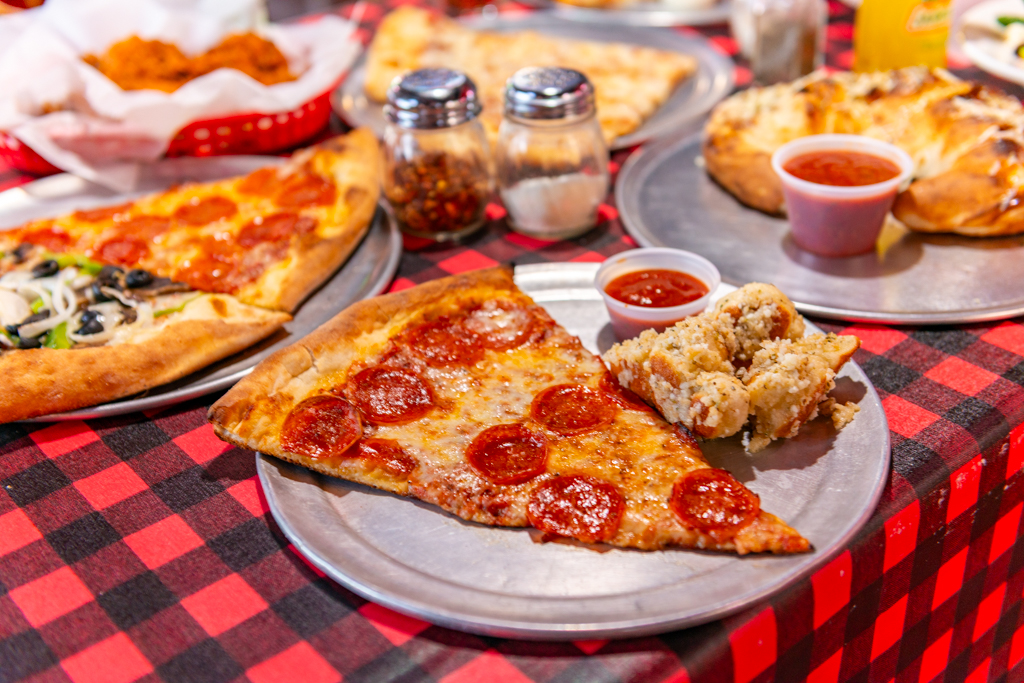
A good pizza looks simple enough to make you underestimate it. Flour, water, salt, yeast, tomatoes, cheese, a little oil, maybe a handful of basil or sliced mushrooms. On paper, it reads like pantry food. In practice, a pizza restaurant can take those ordinary ingredients and turn them into one of the most dependable forms of comfort food in the modern diet.
That transformation is not an accident. It comes from repetition, discipline, heat, timing, and a very specific understanding of what people want when they order pizza. They may say they want pepperoni, extra cheese, or a crisp crust. Often what they really want is relief. They want dinner that feels generous. They want the smell of baking dough in a warm room. They want something familiar enough to trust, but good enough to feel like a treat.
The best pizza restaurants understand that comfort is built layer by layer. It lives in technique, but also in restraint.
Comfort starts before the first slice
People rarely talk about pizza the way they talk about fine dining. They do not usually dissect its texture with wine vocabulary or analyze each topping as if it were a tasting menu. That is part of its strength. Pizza does not ask much from the diner. It asks you to sit down, reach for a slice, and enjoy yourself.
For a restaurant, that ease is harder to produce than it looks. Comfort food has to feel effortless from the guest’s side, even when the kitchen is working with strict systems behind the scenes. The dough has to be ready at the right point of fermentation. The oven must hold steady heat. The sauce cannot be too raw or too reduced. Cheese has to melt evenly, not split into oil or dry into a skin. Timing matters from the moment the ticket prints to the second the pie hits the table or the delivery box.
When pizza misses, it tends to miss in ways people feel immediately. The crust is pale, the center is wet, the cheese slides, the sauce tastes flat, the box arrives lukewarm. When it works, nobody needs an explanation. You bite into it and your shoulders drop a little.
That reaction is why the category remains so durable. A pizza restaurant can serve students, office workers, parents with children, late night crowds, and older regulars who have been ordering the same pie for fifteen years. Few foods travel across age groups and incomes that smoothly.
Dough does most of the heavy lifting
If you spend time in a pizza kitchen, one thing becomes obvious fast. Toppings get the attention, but dough carries the meal.
A great dough has flavor on its own. That sounds basic, but it is where many places separate themselves. Flour and water alone can create sweetness, nuttiness, tang, and aroma if the fermentation is handled well. A dough that rises too fast often tastes one-dimensional. A dough given more time, whether cold fermented overnight or held longer under controlled conditions, develops complexity and structure.
The guest may not know exactly why one crust tastes fuller and feels lighter, but they can tell. They feel it in the chew, in the edge of the cornicione, in the way the base supports sauce without collapsing. Even in heavier styles, where richness is part of the appeal, the dough needs enough internal character to keep the pizza from becoming a blunt delivery vehicle for cheese.
This is where a pizza restaurant turns a humble ingredient into comfort. Bread has always signaled security. It is one of the oldest and strongest food associations we have. Pizza takes that instinct and adds fat, acid, heat, and aroma. The crust is not just a platform. It is the part that tells your body, almost immediately, that you are about to eat something satisfying.
A well-run shop pays obsessive attention to details that never appear on the menu. Dough temperature after mixing. Room temperature during proofing. How tightly the balls are formed. Whether the bench flour is affecting bake quality during a rush. How long a dough can sit before it loses strength or overproofs. These are not glamorous decisions, but they shape every bite.
Sauce is not there to shout
Tomato sauce in pizza is often misunderstood. In many kitchens, the instinct is to load it with garlic, sugar, dried herbs, chili flakes, onion powder, and anything else that sounds Italian enough to fill out the flavor. That approach can work for certain styles, especially if the goal is a nostalgic, red-sauce profile. But for most pizza, sauce works best when it provides brightness, sweetness, and a little acid without dominating the crust.
The trade-off is subtle. Too little seasoning and the sauce tastes unfinished. Too much and it muddies the pie. Heavy oregano, for example, can flatten fresh tomato character if used without restraint. Sugar can hide weak tomatoes in the short term, but it often leaves the finished pizza tasting sticky rather than balanced.
Better pizza restaurants usually make a judgment based on their style and their tomatoes. A New York style slice shop may need a cooked sauce with more body to stand up to a longer bake and high volume service. A Neapolitan-focused room may crush quality canned tomatoes, add salt, and leave it at that. A pan pizza operation might want something deeper and slightly sweeter because the crust is richer and the cheese load is heavier.
Comfort food is not about making everything intense. It is about making each part legible. You should taste tomato as tomato, not as an argument.
Cheese is about texture as much as flavor
People often reduce the cheese question to quantity. More cheese must equal more comfort, right? Sometimes. More often, it depends on the style, the moisture content, and the balance with the crust and sauce.
Low-moisture mozzarella remains common for good reasons. It melts consistently, browns predictably, and gives that familiar stretch many diners expect. Fresh mozzarella brings a softer, milky character but also more water, which can be a problem if the dough or oven setup cannot handle it. Blends are common because they let a kitchen control flavor, browning, and cost without sacrificing performance.
There is a practical wisdom in that. A pizza restaurant is not just crafting flavor in a vacuum. It is producing a pie that must bake evenly during a Saturday rush, survive a short wait at the pass, and still eat well after a five to fifteen minute trip home. That means cheese selection is both culinary and operational.
When cheese is handled well, it contributes to comfort in two directions. First, it gives richness and salt, the obvious pleasures. Second, it softens contrast. The tomato’s acid, the crust’s char, the bite of cured meats, all of it gets rounded into something cohesive. That matters because comfort food is rarely about one standout note. It is about the feeling that all the sharp edges have been smoothed.
Heat changes everything
No ingredient matters if the oven work is sloppy. Pizza is one of the clearest examples of how heat application changes a dish from acceptable to memorable.
A very hot oven can puff the rim, blister the crust, and preserve freshness in the toppings because the bake is fast. A lower temperature deck oven, run properly, can deliver a firmer base and more gradual caramelization. Conveyor ovens, often dismissed by purists, can produce remarkably consistent results when the dough and topping load are designed for them. Different tools create different expressions of comfort.
That is an important point. There is no single correct pizza. What matters is internal coherence. If a pizza restaurant promises a thin, crisp pie and sends out a soft center, the issue is not style preference. It is execution. If a place is known for thick pan pizza, then a deeply browned edge, airy crumb, and fried-crust effect may be exactly what guests crave.
The oven also determines aroma, and aroma is central to comfort. Toasted flour, caramelized dairy, warm tomato, rendered pepperoni, garlic blooming in oil, all of those signals hit before the first bite. They are part of why a pizza restaurant can calm a room full of hungry people within seconds of a pie leaving the kitchen.
The emotional power of repetition
Restaurants talk often about hospitality, but pizza has a special advantage. It thrives on repeat orders.
Most people do not approach pizza as a one-time adventure. They develop rituals. Friday night delivery. A quick slice after work. A family order that always includes one plain cheese, one topping pie, and maybe garlic knots if the week has been rough. Those repetitions matter because comfort food is tied to predictability. The meal becomes a marker in the rhythm of life.
A strong pizza restaurant earns loyalty not by surprising customers every time, but by delivering the same reassurance again and again. That does not mean the food must be boring. It means the restaurant understands the value of stable quality. The crust should taste like itself. The sauce should be recognizable. The large pepperoni should look and feel like the large pepperoni people remember.
In that sense, comfort is as much psychological as sensory. Guests are not only buying dinner. They are buying a known outcome. During a bad day, that certainty has real value.
Simplicity leaves nowhere to hide
One reason pizza deserves more respect than it often gets is that simple food exposes mistakes. A complicated braise can hide small flaws under sauce, stock, aromatics, and time. Pizza cannot. With so few components, every weakness shows.
A pizza restaurant that succeeds with simple ingredients usually gets a handful of fundamentals right:
- It starts with dough that has time to develop flavor.
- It uses sauce with clear tomato character.
- It chooses cheese for melt and balance, not just volume.
- It bakes with intention, matching oven method to style.
- It keeps topping combinations from overwhelming the crust.
None of that sounds revolutionary. That is precisely the point. Comfort food does not need novelty to be compelling. It needs judgment.
I have seen kitchens ruin perfectly good ingredients by trying to make pizza louder than it should be. Too many toppings. Too much oil. Heavy drizzles added after the bake because the pie looked sparse. Those decisions often come from insecurity. The team wants the customer to feel they are getting value. But value in pizza is not always visible as abundance. Often it is visible as proportion.
A pie that can be picked up cleanly, bitten without collapsing, and finished without fatigue will outperform an overloaded one in the long run. Diners remember how food made them feel after eating it. Satisfaction is good. Heaviness is not always the same thing.
Why a plain cheese pie tells you almost everything
If you want to understand whether a pizza restaurant truly knows its craft, start with a basic cheese pizza. Not because toppings are bad, but because the plain pie strips the product down to its essentials.
There is no sausage spice or roasted vegetable sweetness to distract from the base. You can taste the dough clearly. You can judge the sauce. You can see how the cheese melts, browns, and binds. You notice whether the crust stays crisp under the center, whether the salt level is calibrated, whether each component has enough identity.
That does not mean every great restaurant needs to be minimalist. Some of the most satisfying pizzas are exuberant, especially in styles built for abundance. But the plain pie remains the cleanest benchmark. If it is good, the rest of the menu has a strong foundation. If it is forgettable, the toppings may only be covering structural weakness.
For many customers, the plain cheese also carries the deepest comfort. It is often what children order first, what families agree on, what people crave when they are tired or unwell, what someone grabs as a late slice when they want dinner with no negotiation. There is real power in a food that can be both a benchmark and a fallback.
The room matters too
Comfort food is not just a recipe. It is an environment.
A pizza restaurant can create comfort through sound, pace, lighting, and service style as much as through dough hydration or oven calibration. The smell of the bake, the clatter of pans, the view of a pizzaiolo stretching dough behind the counter, the worn booth that regulars prefer, the stack of delivery boxes near the phone, all of this builds identity.
Not every place needs to be charming in the same way. Some are loud and bustling. Some are neighborhood joints with sports on the television and families coming through the door every ten minutes. Some are more polished, with open kitchens and wine lists. Each can succeed if the atmosphere matches the food.
What fails is mismatch. If the restaurant presents itself as warm and welcoming but the service feels hurried and indifferent, the comfort breaks. If the food is designed for casual ease but the room feels stiff, people sense it. Pizza works best when the setting reduces friction. Guests should feel like they know how to be there.
That is one reason the category travels so well across formats. Dine-in, takeout, delivery, slice counter, food hall, neighborhood tavern, upscale wood-fired concept, pizza can adapt without losing its core identity. Few comfort foods are that flexible.
Price, value, and generosity
Part of pizza’s comfort comes from economics. Even as restaurant prices rise, pizza still carries an image of generosity. It feeds groups well. It scales. A single pie can turn into dinner for two, lunch the next day, or a table-centered meal for a family with a salad on the side.
That value perception matters. People are more likely to call something https://edwinzfyg101.ironwoodscope.com/posts/what-to-look-for-in-a-neighborhood-pizza-restaurant comfort food when it feels accessible, not just delicious. A pizza restaurant that portions sensibly and prices honestly gives customers a sense of abundance without requiring a special occasion.
Of course, operators have to balance costs. Flour may be relatively inexpensive, but quality cheese and cured meats are not. Labor is never free, and rising rent changes menu design quickly. This is where disciplined simplicity becomes a business advantage. A restaurant that understands how to make basic ingredients shine can create satisfaction without relying on luxury inputs.
There is also a practical brilliance in pizza’s afterlife. Cold slice from the fridge. Reheated wedge in a skillet. Box on the counter during a game. Leftover breakfast with coffee. A lot of comfort foods are best only in their ideal service window. Pizza has a broader emotional range. It can be celebratory at 7 p.m. And restorative at 10 a.m. The next morning.
Regional styles, same emotional result
Different styles prove that comfort is not locked to one formula. Thin New York slices, chewy and foldable, comfort through familiarity and speed. Deep dish comforts through richness and excess, almost like a savory casserole with a crust. Neapolitan pies comfort through freshness and softness, especially when the dough is expressive and the ingredients are restrained. Sicilian and Detroit styles deliver a kind of plush satisfaction, with crisp edges and airy interiors that feel substantial without always being heavy.
Each style makes a different bargain with the diner. Crispness versus chew. Speed versus complexity. Freshness versus density. The best pizza restaurant in any style knows the promises it is making and keeps them consistently.
That consistency is what turns food into memory. People do not usually remember the exact hydration percentage of the dough or the brand of tomatoes. They remember the bite, the mood, the table, the relief of not having to think too hard about dinner. They remember the slice that tasted right after a long week.
What regulars notice, even if they never say it
Frequent customers become sharper judges than many critics. They notice when the dough is proofed a little longer. They notice if the cheese blend changes. They notice whether the undercarriage has lost crispness in the past month or if the sauce tastes sweeter than usual. Most will not phrase those observations in technical terms, but they feel them.
That is why operational discipline matters so much in a pizza restaurant. There are a few quiet signals that separate a place people tolerate from one they trust:
- The first pie of the night and the hundredth are both taken seriously.
- Staff know how long a pizza should rest before slicing, and they do not rush it blindly.
- Boxes are chosen and vented in ways that protect texture during delivery.
- Toppings are applied with consistency rather than by guesswork.
- The restaurant knows which corners can be cut, and which ones cannot.
A lot of comfort comes from that trust. Guests do not want the kitchen to reinvent their dinner every Friday. They want care, not drama.
Why simple ingredients keep winning
There is something reassuring about a meal built from staple foods. Flour, tomatoes, cheese, oil, yeast, salt. These are ingredients people recognize. Even when the technique is advanced, the building blocks remain familiar. That familiarity lowers resistance. It makes the food easier to crave and easier to return to.
A pizza restaurant turns those staples into comfort food by understanding that the end goal is not complexity for its own sake. It is harmony. Good dough that tastes of grain and fermentation. Sauce that brightens without shouting. Cheese that melts into the whole. Heat that transforms rather than scorches. Service that supports the experience instead of distracting from it.
When all of that comes together, the result feels bigger than the sum of its parts. A slice becomes more than flour and tomatoes. It becomes dinner that people trust, share, and look forward to. It becomes the meal ordered after moving into a new apartment, after a school recital, after a hard shift, after a game, after a breakup, or simply because nobody wants to cook.
That is the quiet genius of a pizza restaurant. It takes ingredients humble enough to overlook and turns them into something people lean on. Not once, but repeatedly. Not because the food is flashy, but because it is deeply, reliably satisfying. Comfort rarely needs to impress. It needs to arrive hot, taste right, and make people feel taken care of. Pizza, at its best, does exactly that.
RUFFRANO'S HELL'S KITCHEN PIZZA Security
385 Main St, Colorado Springs, CO 80911
(719) 390-4355
FAQ About pizza restaurant
Is there a Hell's Kitchen pizza restaurant in Security-Widefield?
Yes. Ruffrano's Hell's Kitchen Pizza has a Security-Widefield location at 385 Main St.
Where can I find pizza delivery in Security-Widefield?
Ruffrano's Security location offers online ordering. Enter your address at checkout to check delivery availability and fees.
Where can I find gluten-free pizza in Security-Widefield?
Ruffrano's menu lists a 12-inch gluten-free option. Call the Security location to confirm availability and ask about shared equipment if cross-contact is a concern.